Lenin Statues at Estonian History Museum Tallinn (2019): Soviet Memory and Post-Communist Space
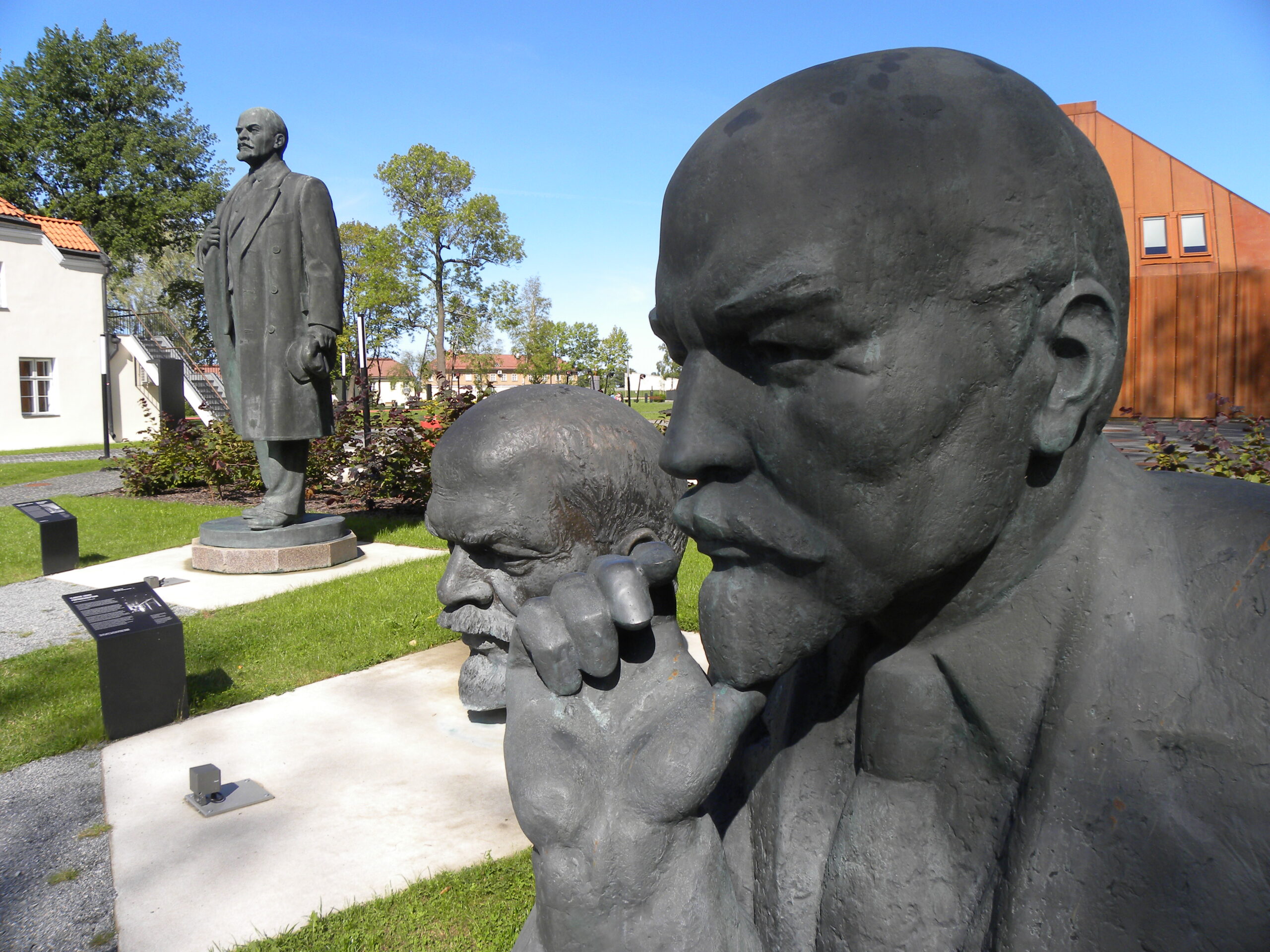
This photograph, taken at the Estonian History Museum in 2019, depicts multiple representations of Vladimir Lenin relocated from their original urban settings into a curated museum environment. Once central instruments of Soviet political power, these statues have been stripped of their performative function and repositioned as objects of historical inquiry.
The visual composition reinforces this shift. The monumental busts in the foreground fragment the figure of Lenin, while the full standing statue in the background suggests a residual, but distanced, symbolic presence. This spatial arrangement reflects the broader process through which ideological authority is dismantled and recontextualized.
By moving these monuments from public space to a museum setting, their meaning is fundamentally transformed. No longer vehicles of propaganda embedded in everyday life, they become artifacts that invite critical reflection on the Soviet past. The museum acts as a mediating space where power is neutralized but memory is preserved, exposing the mechanisms through which political narratives are constructed, contested, and historicized.
In the context of post-communist Estonia, this image illustrates how the legacy of Soviet domination is neither entirely erased nor passively maintained, but actively reframed. It highlights the dynamic relationship between power, memory, and space, showing how material symbols of authority can be reinterpreted to support new historical and cultural narratives.


Commenti recenti